Articles on movement & breath
I write about what interests me and what I see daily with my clients — pelvic floor, breath, the hypopressive method and conscious movement.
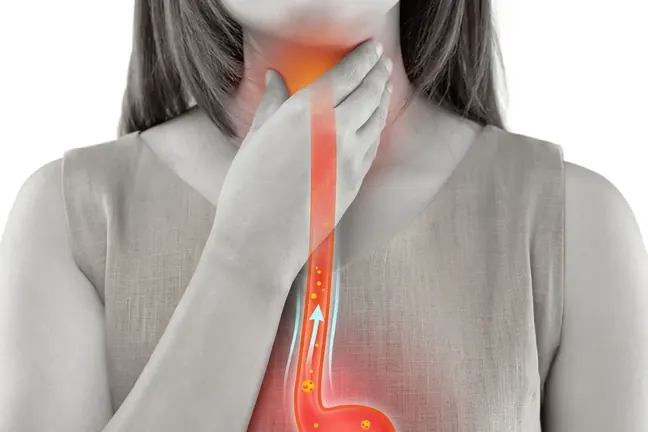
Why reflux troubles you and how exercise and breathing can help
Reflux is not just about the stomach. How the diaphragm, stress and posture are involved — and what breathing and movement can do.
Read article →
Why night-time reflux keeps you awake and how to raise your bed properly
Why a stack of pillows makes reflux worse, how to raise your bed properly, and what to eat and drink in the evening.
Read article →
Food as medicine and trigger: a guide to eating with reflux
What triggers reflux, what sits heavy and what soothes the stomach. And how to put together a meal plan for the whole day.
Read article →
Reflux and the path to relief: do you need medication for life?
Medication is a safe umbrella in the acute phase. What PPIs are, why not to stop them overnight, and what to add alongside.
Read article →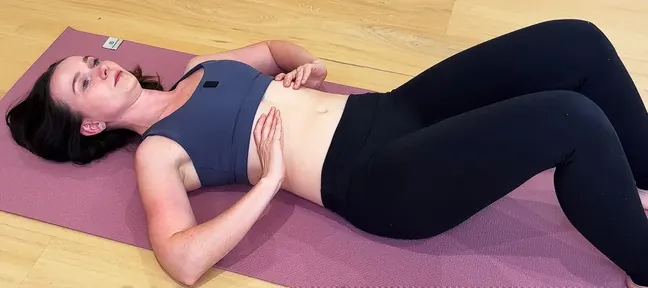
When stress is behind your reflux: how mind, belly and nervous system connect
Why reflux so often affects people under pressure. What stress does to the diaphragm and the vagus nerve, and how to get out of that tension.
Read article →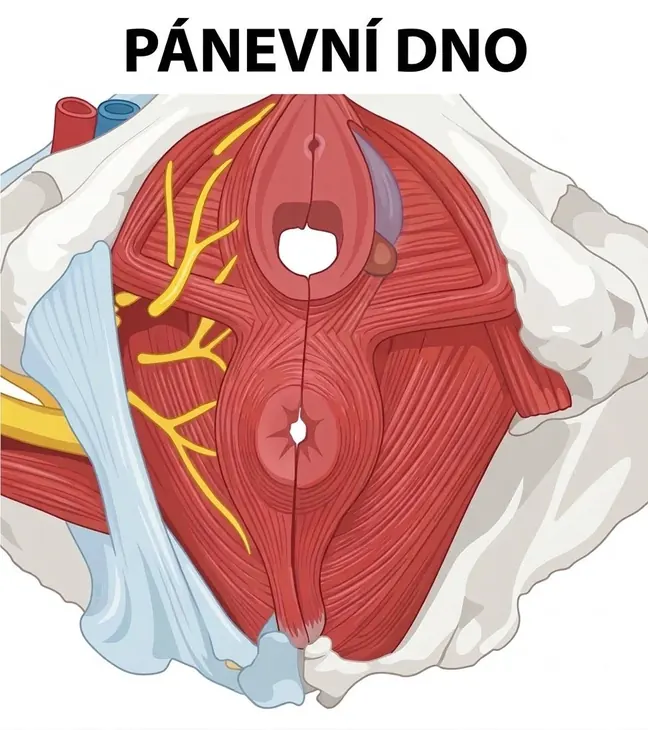
How good posture affects your pelvic floor
Slouching and an arched lower back don't only strain your back. Why the pelvic floor weakens in a poor position, and how to sit, breathe and exercise.
Read article →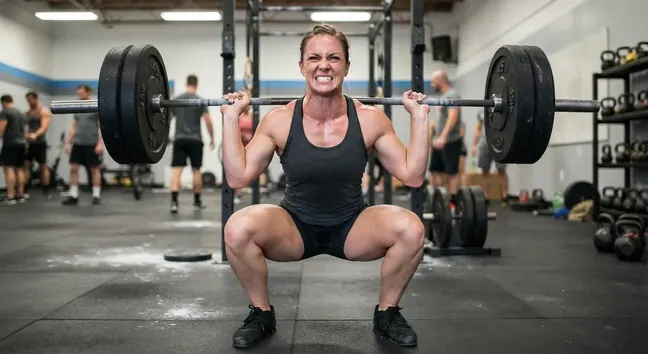
The taboo called athletic incontinence: urine leakage in sportswomen
Leaking while running, jumping or lifting affects young, fit women too. How common it is, why we stay silent and what to do about it.
Read article →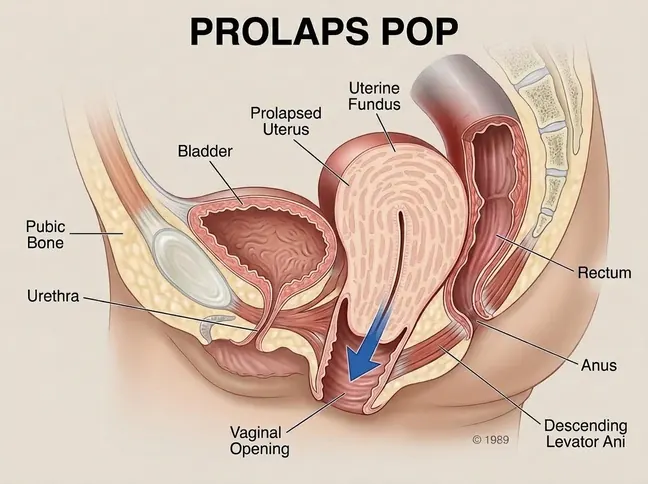
When organs lose their support: vaginal prolapse and how BodyEase can help
Cystocele, rectocele, a dropped uterus: the grades and symptoms of prolapse, why crunches harm and how the hypopressive method helps.
Read article →
Incontinence mesh slings: what the research says before you choose surgery
How the suburethral sling works, what large studies report about complications, and why the FDA and NICE recommend starting conservatively.
Read article →
Exercise after a caesarean: how to rebuild your core safely
Rebuilding the abdominal wall does not start with hard training but with breath. What to do in the early weeks, and when the method fits.
Read article →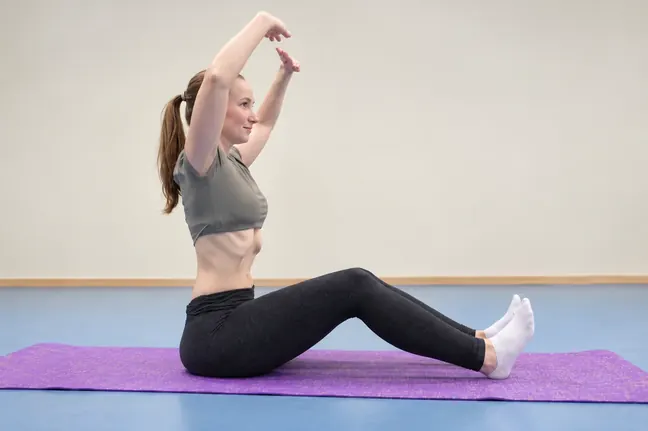
The hypopressive method after birth: how it is practised and who it is for
The whole manoeuvre step by step, the rules of correct posture, and an honest list of when to leave the practice alone.
Read article →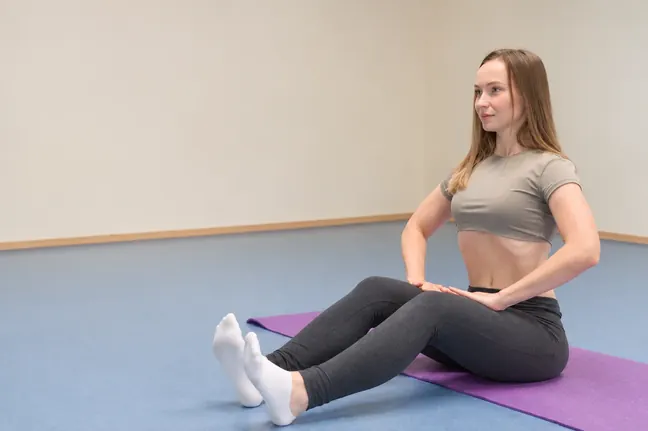
What the hypopressive method is, and why it changes pelvic floor care
It is not Kegel squeezing. A breath pause lowers intra-abdominal pressure and the pelvic floor engages by itself. What the research shows.
Read article →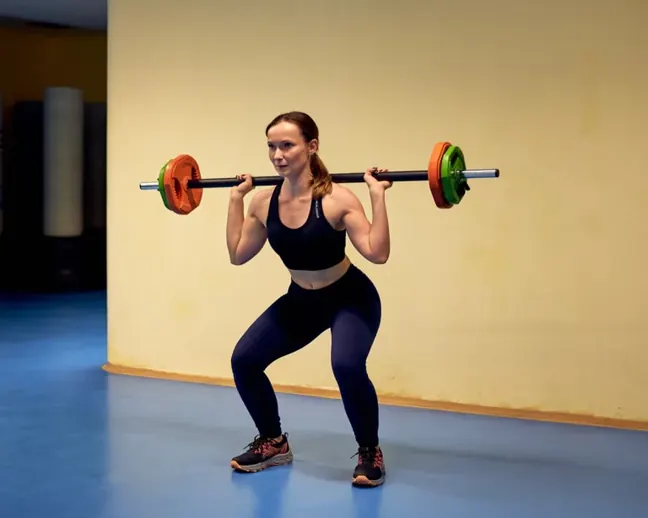
Sport, gym & the pelvic floor: How to exercise safely?
Traditional exercises like crunches or planks can increase intra-abdominal pressure and damage the pelvic floor. How to train smart?
Read article →
Pelvic floor: why it matters and how to keep it healthy
A healthy pelvic floor isn't just strong — it needs to be flexible, coordinated with breathing, and able to respond to different situations.
Read article →
How to improve your breathing parameters – a simple daily guide
A personal story about a stiff diaphragm, a misdiagnosis of asthma, and how conscious breath work transformed my training.
Read article →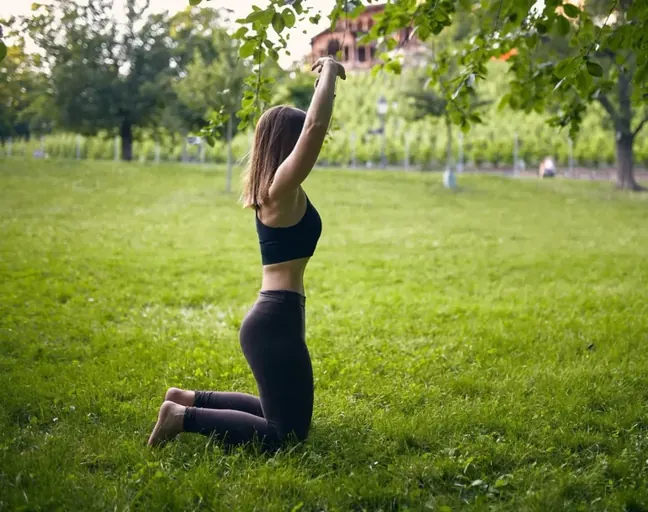
Release stress and tension – just a few minutes of hypopressive exercise
Chronic stress shows up physically — shallow breath, stiff diaphragm, digestive issues. The hypopressive method helps release tension.
Read article →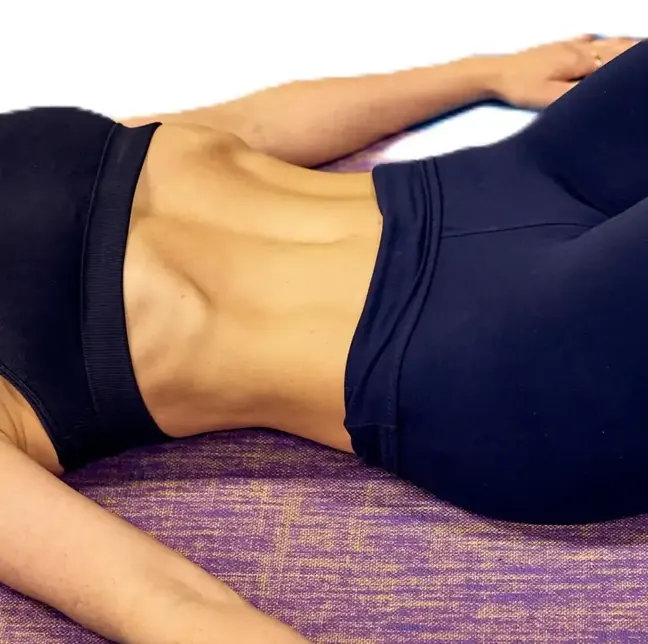
The diaphragm – the main breathing muscle that affects more than you think
The diaphragm isn't just a breathing muscle. It influences spinal stability, digestion, reflux, the lymphatic system and stress response.
Read article →