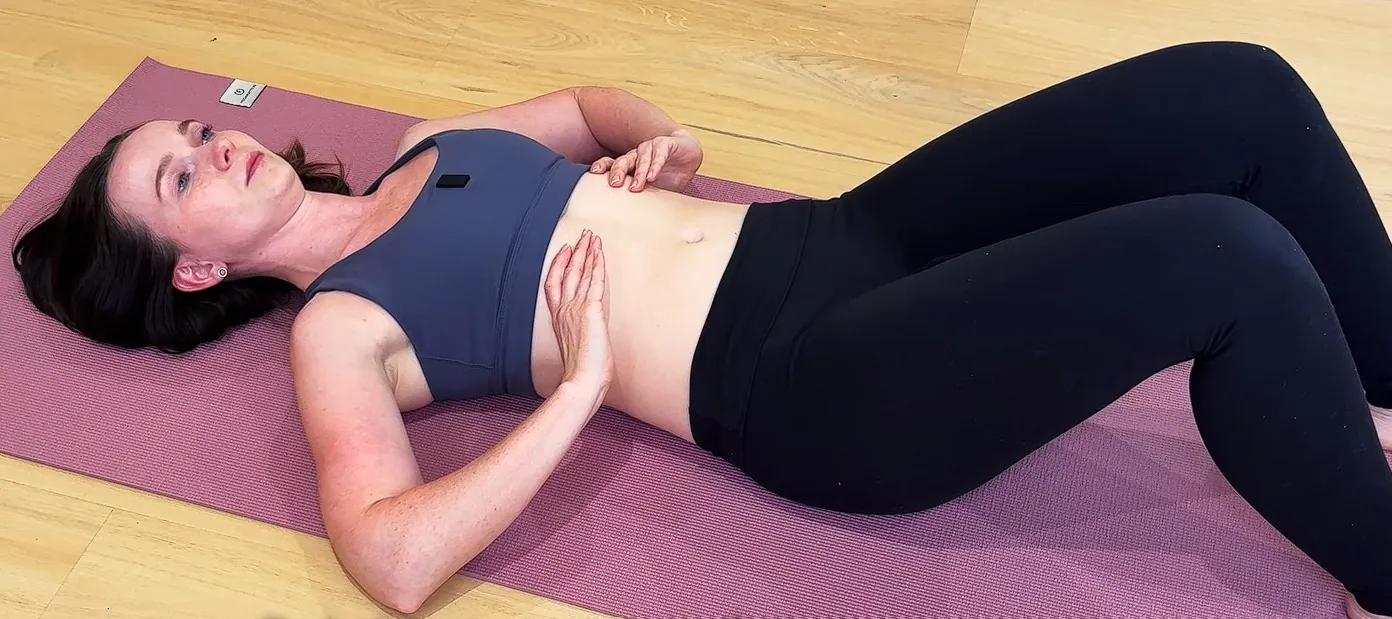
When someone with reflux comes to me at the gym, the studio or for a consultation, I very often know within the first few minutes where we stand. They tend to be very stiff, performance-driven people — managers, entrepreneurs, or people under constant pressure, whether external or internal. As soon as they sit down you can feel the enormous inner tension, the rush, the fast breathing, the raised shoulders and often a hidden anxiety. Their body runs in "fight or flight" mode, and the digestive tract is the first to pay for it.
Let's look at what happens in such a body, what role the vagus nerve and the diaphragm play, and how I work with these clients in practice.
Stress, the diaphragm and the vagus nerve: a vicious circle
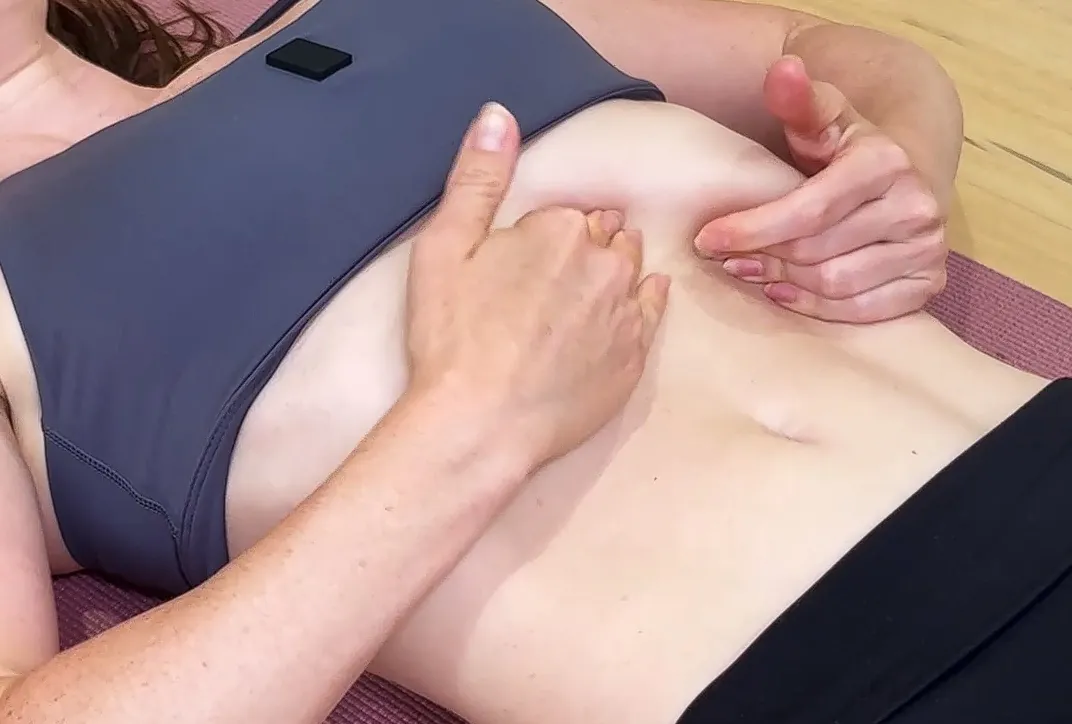
The diaphragm is not only our main breathing muscle but also an important mechanical partition between the chest and the abdomen, and the oesophagus passes right through it. One of the first things we do in training is take a close look at the diaphragm. I teach clients to massage it themselves. It usually feels stiff and tender to the touch, but after a short while of targeted work, relief comes.
When you live with chronic stress, fear or long-term pressure to perform, the nervous system shifts into a sympathetic (stress) state:
- A diaphragm in spasm. Stress and anxiety rob the diaphragm of its natural elasticity and it stiffens. It loses its ability to massage the internal organs and to mechanically support the lower oesophageal sphincter (the valve), which then can't close tightly.
- The role of the vagus nerve. The vagus nerve is the main highway between the brain and the internal organs, including the stomach. It controls digestion, slows the heart rate and brings calm. But when we're constantly rushed and tense, its calming signals weaken. The stomach doesn't get the right instructions to digest, gut motility changes and pressure builds up in the belly.
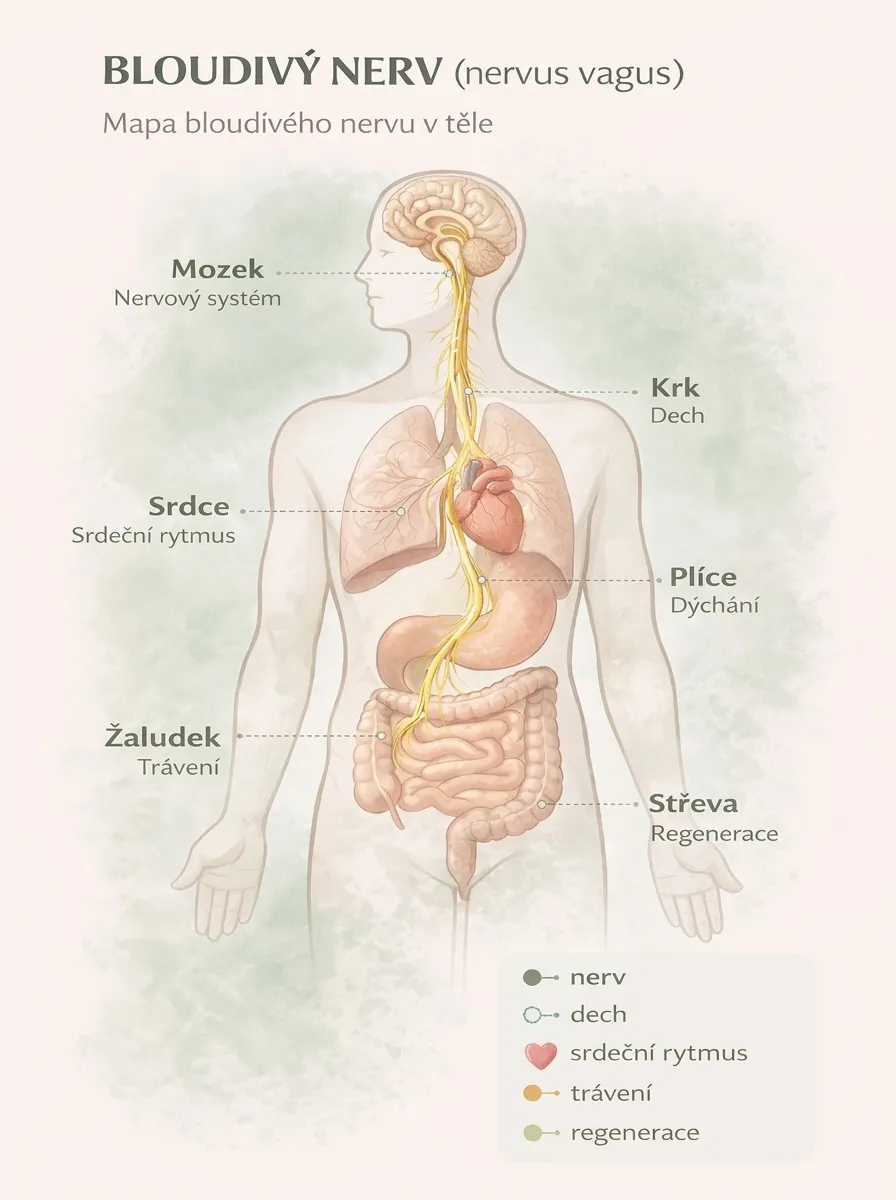
The result is that acid, which a stressed stomach often produces at the wrong time, combined with the mechanical pressure of a tight diaphragm, easily gets into the oesophagus.
What working with a client looks like in practice
When these people tell me that neither medication nor expensive diets work for them, we have to look beneath the surface. My work with them isn't built on endlessly restricting food, but on unblocking the body and the nervous system:
- Stopping and calming the breathing pattern. The first thing we work on is breath. Most of the time they breathe only into the chest, very shallowly. We learn diaphragmatic breathing, where the client feels the lower chest and belly widen sideways on the in-breath — and the diaphragm finally starts to move. Just this conscious slowing of the breath tells the brain: "Right now, you are not in danger."
- Releasing the diaphragm. I teach clients practical holds and techniques to release the diaphragm regularly at home.
- Releasing the thoracic spine and body tension. Tight chests, shoulders up by the ears and a stiff upper back. With targeted exercises (such as opening the chest over a roller or gentle stretching) we release the area where the diaphragm attaches. Once the rib cage loosens, the diaphragm has room to work freely again.
- Activating the parasympathetic system and the vagus nerve. To quieten a restless mind and belly, we use techniques that activate the vagus nerve — above all long out-breaths (the out-breath longer than the in-breath) — and bring in the hypopressive method, which gently massages the internal organs and takes tension out of the abdomen.
- Caring for the mind off the mat. To calm the nervous system, it's great to find relaxation outside training too — a full-body massage, craniosacral therapy, or any other activity that helps you switch off and shake off accumulated stress.

There is a way out
In stressed people, reflux is often not a disease of a bad stomach but a disease of a pace that's too fast and a life lived in tension. As long as we only deal with the heartburn itself and ignore the tense mind and diaphragm, real relief won't come.
But once a person learns to listen to their body, consciously breathe through stress, release the chest and switch the mind into calm, the oesophageal valve gets a chance to work properly again — and you can then agree with your doctor whether, and how much, you still need medication. How to approach that, I describe in Reflux and medication; the overall picture of reflux is in Why reflux troubles you and how exercise and breathing can help.
Lucie Linková is a certified trainer and hypopressive-method instructor — not a doctor or physiotherapist. This article summarises her practice experience and published knowledge; it does not replace an examination or your doctor’s advice.
Choose the format that suits you: