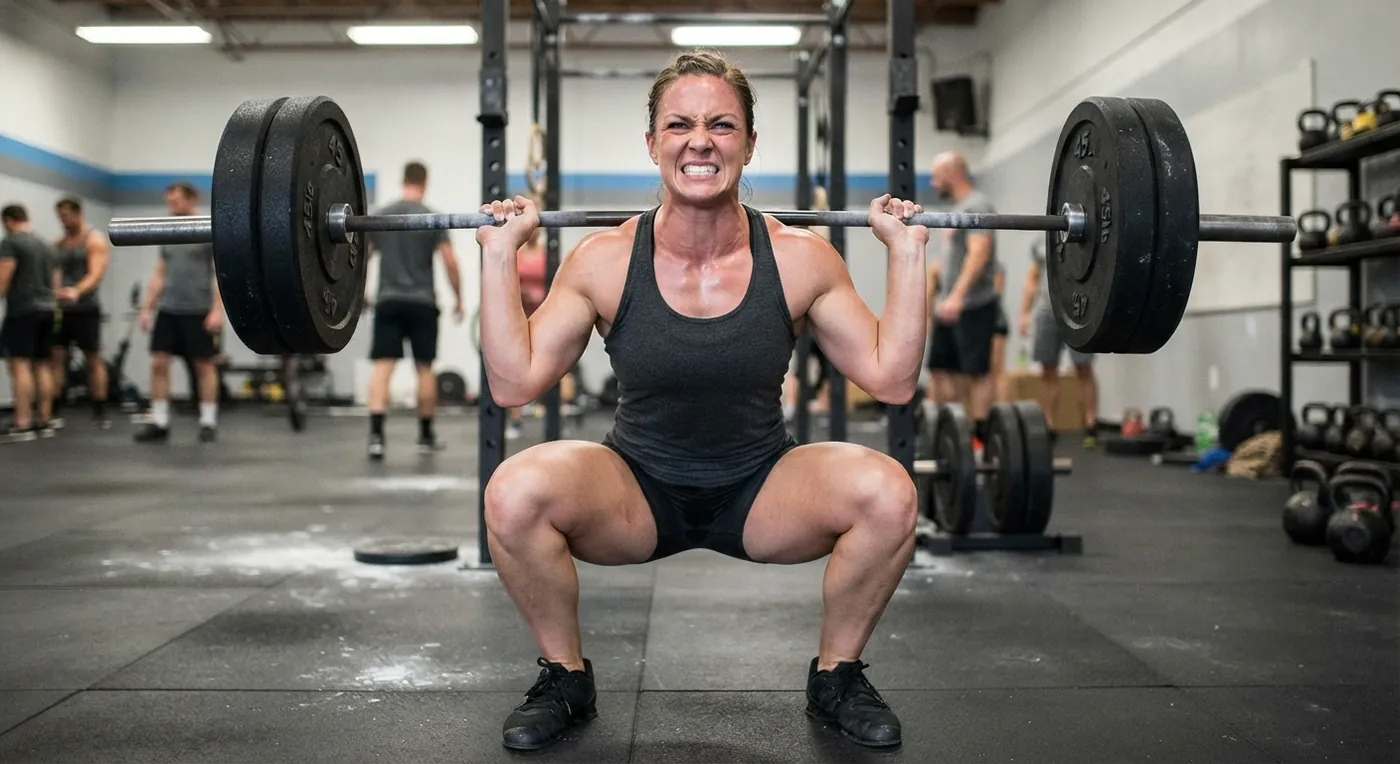
Urinary incontinence is usually linked with the time after giving birth or with menopause. Few people would link it with fit, active women who are a symbol of health.
Athletic incontinence is a newer term for stress urinary incontinence triggered by exercise and demanding physical activity — running, CrossFit, weightlifting or athletics. It happens when the pelvic floor support system can't cope with the raised intra-abdominal pressure that exercise creates.
It is a socially invisible problem that harms the quality of life of many sportswomen.
Why we don't talk about it
- The main barriers: cultural habits, embarrassment, low self-confidence and fear of confiding in a doctor.
- The consequences of ignoring it: lower sports performance, cutting back on sport and, in worse cases, lumbopelvic health problems.
- The market: the "solution" is often just commercial aids (incontinence pads for exercise, or pessaries).
Statistics and risk factors
- Prevalence: according to a review, between 28 and 80 % (Goldstick & Constantini, 2014).
- The most affected sports: high-impact activities — trampolining, gymnastics, sports aerobics, hockey, ballet. Among elite trampolinists it reaches 80 % (Eliasson, Larsson & Mattsson, 2002).
- Young sportswomen: it affects young women who have never given birth too — the trampolinists in the cited study had all never been pregnant.
Related health problems
- Lower back pain. Gymnasts have the highest rates; jumping and running can overload the lumbar spine and irritate nerves.
- Eating disorders. Undernourishment, hormonal changes, muscle weakness and vomiting harm the structure of the pelvic system.
How to prevent it
The basis is regular pelvic floor training built into normal sports training. Simply squeezing the pelvic floor isn't enough — you also need to work on releasing it. The hypopressive method is well suited to this: it engages the right muscles and stretches the overloaded ones. Why Kegels alone aren't enough, I also explain in Sport, the gym and the pelvic floor.
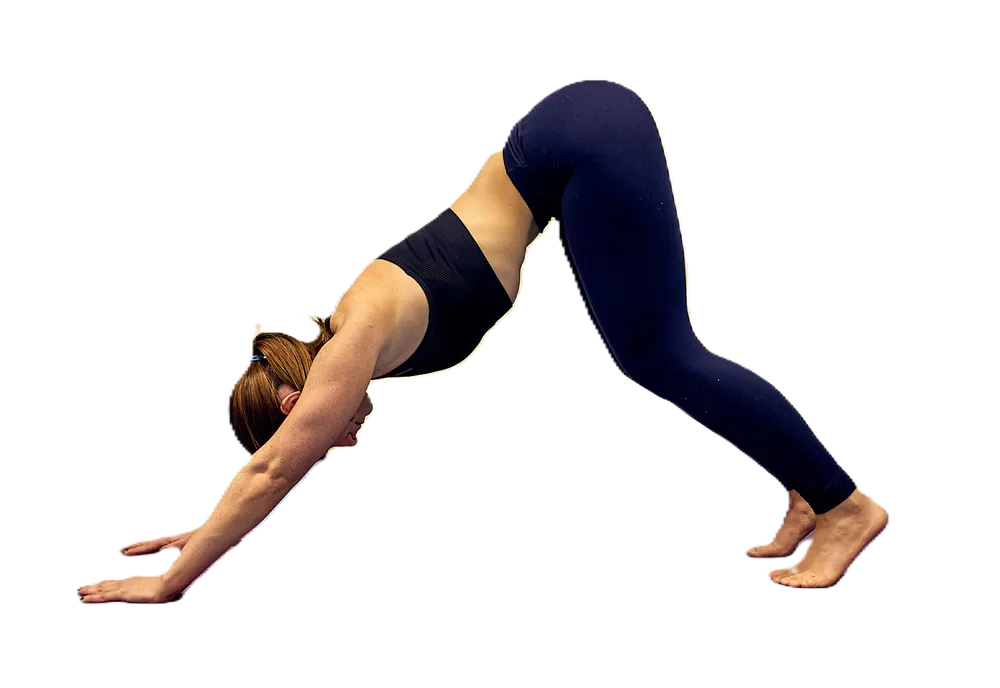
An effective solution is the BodyEase hypopressive method programme:
- Effects: supports good posture and helps with stress incontinence, back pain and a protruding belly — with no equipment.
- How it works: it combines diaphragmatic breathing and breath pauses with opening the ribs. It lowers intra-abdominal pressure, lifts the pelvic organs and activates the deep abdominal muscles and the pelvic floor.
- What makes it different: the deep muscles contract through the nervous system (reflexively), not by willpower alone. The aim is to write the right patterns into the subconscious (through proprioception and regular repetition) so the movement and activation become automatic for the body.
If you leak urine during sport, it's nothing to be ashamed of — and it's worth discussing with a gynaecologist or physiotherapist too.
Lucie Linková is a certified trainer and hypopressive-method instructor — not a doctor or physiotherapist. This article summarises her practice experience and published knowledge; it does not replace an examination or your doctor’s advice.
Choose the format that suits you:
Sources
- Goldstick, O., & Constantini, N. (2014). Urinary incontinence in physically active women and female athletes. British Journal of Sports Medicine, 48(4), 296–298. doi.org
- Eliasson, K., Larsson, T., & Mattsson, E. (2002). Prevalence of stress incontinence in nulliparous elite trampolinists. Scandinavian Journal of Medicine & Science in Sports, 12(2), 106–110. doi.org