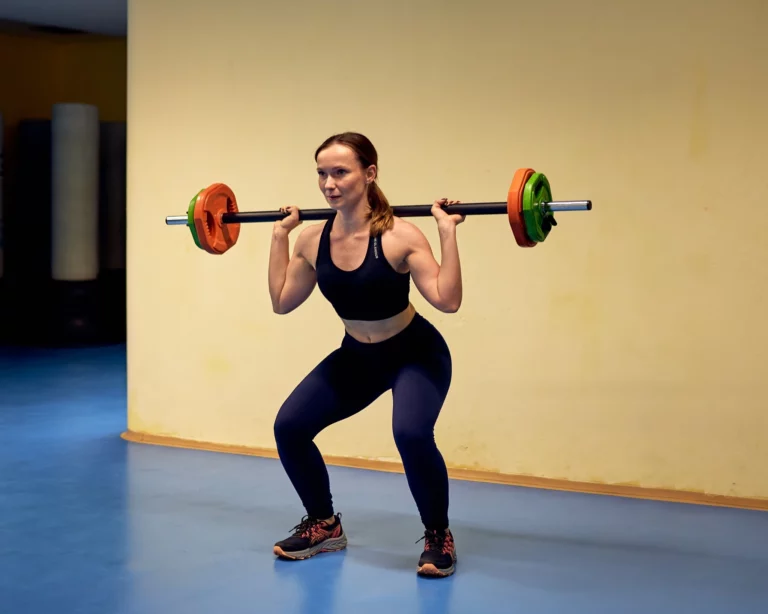
Movement is essential for the body — nobody disputes that. But not every exercise is right for everyone. If you struggle with pelvic floor problems, incontinence, diastasis or back pain, it's important to know which exercises help and which can make things worse.
Why traditional exercise may not be safe
Sit-ups, crunches, heavy squats or planks — exercises that are completely standard in gyms — can significantly increase intra-abdominal pressure when performed incorrectly or by sensitive individuals. This pressure is transmitted downwards onto the pelvic floor, and with prolonged loading can cause:
- Stress incontinence (leaking urine when coughing, laughing or jumping)
- Pelvic organ prolapse
- Back and pelvic pain
- Diastasis recti
The deep stabilising system (CORE) consists of four interconnected structures: the diaphragm, transverse abdominal muscle, pelvic floor and deep back muscles (multifidus). If this system isn't properly activated, the entire load falls on the surface muscles — and the pelvic floor suffers.
A note on Kegel exercises
Kegel exercises are often the first response to pelvic floor problems. But — they don't help everyone. In cases of hypertonia (an overloaded, excessively tense pelvic floor), further strengthening can make the situation worse. The result is often paradoxical incontinence, pain during intercourse or difficulty with bowel movements.
The important thing is to first establish whether your problem is weakness or, conversely, shortening and tension of the pelvic floor muscles. This assessment should be done with a specialist.
The hypopressive method as an alternative
The hypopressive method works in precisely the opposite way to classic exercises — instead of increasing intra-abdominal pressure, it reduces it. Through specific breathing patterns and body positions, the deep stabilising system is activated naturally, without overloading the pelvic floor.
This doesn't mean you have to stop going to the gym. It means it's important to choose exercises consciously, know your limitations, and complement your training with techniques that protect the pelvic floor — rather than burden it.
Want to learn to exercise safely with your pelvic floor in mind?
Sign up for a course →