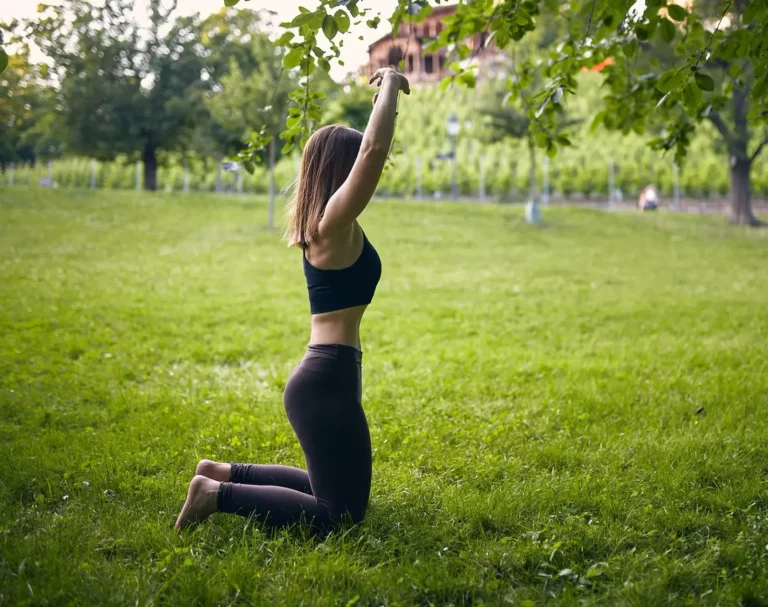
Stress is part of modern life — we all know that. But few people realise how deeply chronic stress inscribes itself into the physical body. It's not just a feeling of tension in the head. It's a stiff diaphragm, shallow breath, a clenched stomach and muscles that never properly relax.
This is precisely where the hypopressive method comes in as a tool that connects movement, breath and the nervous system — enabling the body to shift from stress mode into regeneration mode.
What stress does to the body
During a stress response, the body activates the sympathetic nervous system — the so-called "fight or flight" mode. Breathing speeds up and shortens, the diaphragm stiffens, muscles tighten. If this state persists for weeks or months, physical symptoms emerge:
- Chronic tension in the neck, shoulders and back
- Shortened and shallow breath
- A stiff diaphragm and restricted chest mobility
- Digestive problems — bloating, heartburn, IBS
- Sleep disturbances and fatigue
- Reduced resilience to further stress
The diaphragm as a bridge between body and mind
The diaphragm is the only muscle in the body that functions both automatically (we breathe without thinking) and consciously (we can deliberately control the breath). This is precisely why breath is the most direct access point to the nervous system — and the hypopressive method makes full use of this pathway.
Through conscious work with the breath and specific body positions, we activate the parasympathetic nervous system — the "rest and digest" mode. The body calms down, muscles release, the mind slows.
The hypopressive method as an anti-stress tool
Hypopressive exercise combines slow breathing, conscious muscle release and a specific postural alignment of the body. The results of regular practice include:
- A reduction in the baseline level of tension in the body
- Release of the diaphragm and deepening of the breath
- Better regulation of the nervous system
- Improved sleep quality
- A greater capacity to handle stressful situations
Many of my clients come primarily because of physical issues — the pelvic floor, back pain or diastasis. And then they tell me afterwards that the biggest change they noticed was exactly this: a release of tension and better stress management. Body and mind are connected — and the hypopressive method respects that.
When and how to start?
Just 15–20 minutes three times a week is enough. The ideal time is in the morning before the day begins, or in the evening as a transition from work mode into rest. Hypopressive exercise requires no equipment — just a quiet place and the willingness to give time to your body.
Want to learn to work with stress through conscious movement and breath?
Sign up for a course →